
"moldy beans"
2000 article(s) found

Coffee basic knowledge boutique coffee beans several kinds of defective beans introduction
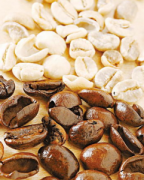
Moldy beans: because the drying is not complete, or in the transportation, storage process damp, and grow cyan, white mold, sometimes make beans stick together, if not remove these moldy beans, will produce mold odor. Dead beans: beans that bear abnormal fruit. The color is not easily changed by baking, so it is easy to distinguish. Flavor thin, with silver skin
Coffee beans common sense coffee roasting defective beans introduction
Mildewed beans: because the drying is not complete, or in the transportation, storage process damp, and grow cyan, white mold, sometimes make beans stick together, if not remove these moldy beans, will produce mildew smell. Dead beans: beans that bear abnormal fruit. The color is not easily changed by baking, so it is easy to distinguish. The flavor is thin and harmful as silver skin, which will become peculiar smell.

Coffee grounds are always moldy when growing flowers? Coffee grounds are dried by quick drying method for 2 minutes.
Professional coffee knowledge exchange more coffee bean information please follow the coffee workshop (Wechat official account cafe_style) Taiwan's high-quality textile coffee grounds can also change clothes last time, the editor introduced to you the wonderful use of coffee grounds, but I guess many people still have a lot of questions! The most common question is how the coffee grounds dry after soaking, because after soaking, the wet coffee grounds cannot deodorize.

Process and characteristics of wet planing treatment of raw coffee beans the surface of raw coffee beans in Manning looks moldy
Sumatran wet planing is the annual harvest season for manning in Sumatra from March to May and September to December, and now most coffee farmers only harvest all-red coffee cherries. After collecting coffee cherries in the morning, coffee cherries will be peeled and peeled in the afternoon. Sumatra has a superior natural environment, and most of the water used will be mountain spring water. 1. Peel the coffee fruit and place the peas with shells.
Bamboo tube milk tea is popular in moments, little red books! Using a moldy bamboo tube?!
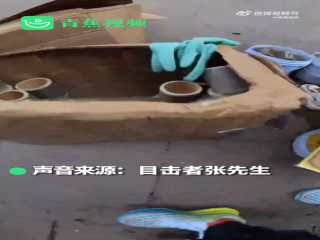
Professional coffee knowledge exchange more coffee bean information please follow the coffee workshop (Wechat official account cafe_style) more boutique coffee beans please add private Wechat Qianjie coffee, WeChat: qjcoffeex recently, some netizens revealed to the media that the staff of a milk tea shop at a scenic spot in Tangqi Ancient Town, Hangzhou, Zhejiang Province
The characteristics of Arabica beans eat expired Arabica coffee beans, okay?
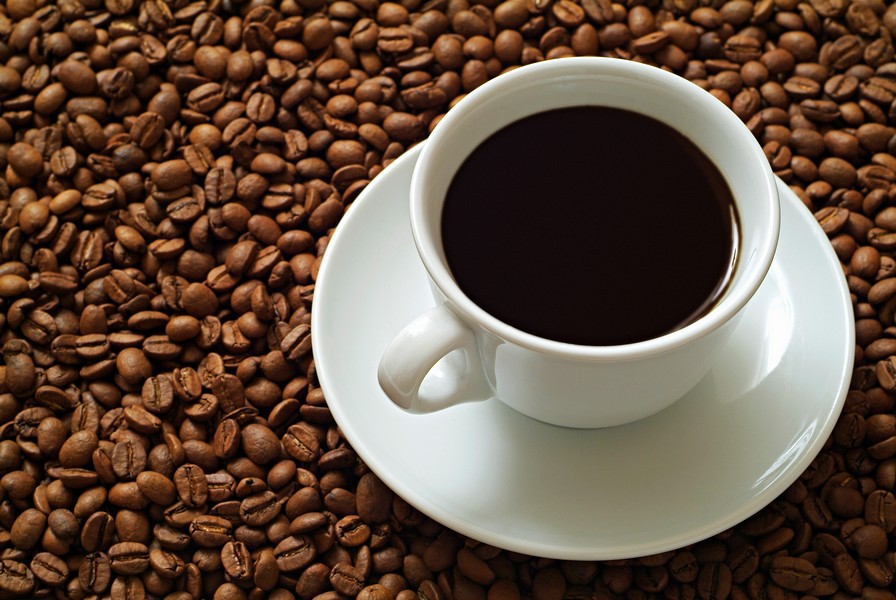
Is it good to eat expired Arabica coffee beans? It's hard to say. It depends on the situation. 1. Moldy Arabica coffee beans it doesn't matter if you eat moldy Arabica coffee beans. You just have to stay in the hospital for ten or eight days. 2. the shell of Arabica coffee beans is white if the shell is white.
Is it okay to eat expired Arabica coffee beans?
Is it okay to eat expired Arabica coffee beans? It's hard to say. It depends on the situation. 1. Moldy Arabica coffee beans it doesn't matter if you eat moldy Arabica coffee beans. You just have to stay in the hospital for ten or eight days. 2. Arabica coffee beans with a white shell. If you eat coffee beans with a white shell, it is serious. Because of this kind of coffee
Standard of SCAA pecialty Coffee Fine Coffee Raw Bean
[SCAA "Specialty Coffee" standard for high-quality coffee raw beans] the raw bean defects of SCAA can be divided into two types: I and II. The requirement for premium coffee grade (specialty coffee) is: 1. There are no class I defects; 2. No more than 5 II class defects 3. There can be no "quaker" (0 quaker) Quick beans in cooked coffee beans. 4. The appearance of raw coffee beans
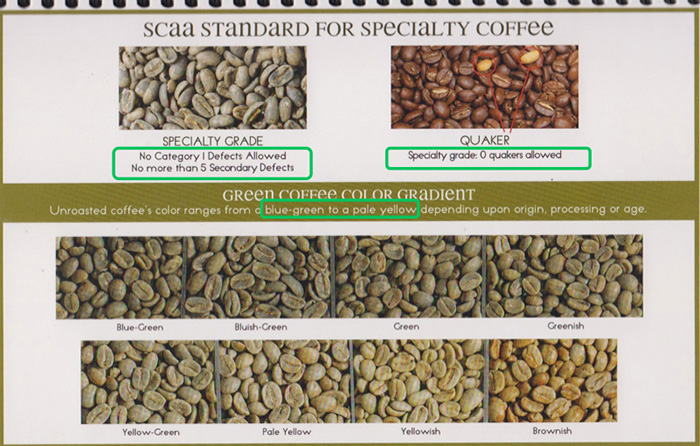
Boutique coffee beans: the standard of SCAA pecialty Coffee boutique coffee raw beans
The raw bean defects of SCAA can be divided into two types: I and II. The requirement for premium coffee grade (specialty coffee) is: 1. There are no class I defects; 2. No more than 5 II class defects 3. There can be no "quaker" (0 quaker) Quick beans in cooked coffee beans. 4. The color range of raw coffee beans is pale yellow (light yellow), yellow-green (

The standard of SCAA pecialty Coffee boutique coffee raw beans is necessary for a good cup of coffee.
The raw bean defects of SCAA can be divided into two types: I and II. The requirement for premium coffee grade (specialty coffee) is: 1. There are no class I defects; 2. No more than 5 II class defects 3. There can be no "quaker" (0 quaker) Quick beans in cooked coffee beans. 4. The color range of raw coffee beans is pale yellow (light yellow), yellow-green (
Selection of coffee beans introduction to defective beans in coffee roasting
Moldy beans: because of incomplete drying, or damp in the process of transportation and storage, cyan and white molds grow, which sometimes make the beans stick together. If these moldy beans are not removed, they will produce moldy smell. Dead beans: beans with abnormal results. The color is not easy to change because of baking, so it is easy to distinguish. The flavor is thin, as harmful as silver skin, and will become a peculiar smell.

SCA Arabica Coffee Raw Bean grading Manual _ how do Arabica coffee beans be graded?
Professional coffee knowledge exchange more coffee bean information please follow the coffee workshop (Wechat official account cafe_style) [the standard of SCAA Specialty Coffee fine coffee raw beans] the raw bean defects of SCAA can be divided into two categories: I and II. The requirement for boutique coffee grade (specialty coffee) is that there are no Class I defects and no more than 5 II classes are missing.

Yihe Hall was exposed to eat expired moldy ingredients! The staff said that the medicine they drank would not die!
Recently, a person familiar with the matter revealed to China quality News that some Yihe Tangmen stores in Zhengzhou had serious food safety problems, and then the media sent investigators to conduct an in-depth understanding. According to the video records of the investigators in the media, there are "closed and discarded" ingredients in many Yihe Hall stores in Zhengzhou.
Coffee knowledge | grading of defective beans in SCAA boutique coffee
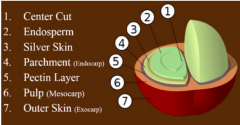
According to the SCAA (American Fine Coffee Association), raw beans are divided into category I and II defects. Before we understand the defective beans, let's take a look at the structure of the coffee fruit. The structure of coffee fruit after picking, the coffee fruit needs to go through a series of processes before it can become what we call coffee raw beans. This series of processes are often referred to as the handling of raw coffee beans or in the industry.

What are defective beans? how to calculate defective beans?
High-quality coffee beans are refined by water treatment. The coffee beans with less impurities can be obtained by the water washing method, but if the water quality and time are not properly controlled during the fermentation process, the coffee beans will easily be infected with the sour taste of excessive fermentation. and dry beans also need to pay attention to timely re-inspection to prevent coffee beans from being contaminated by wet ground and sundries. Processed

Indian monsoon Mosooned coffee treatment and Sumatra aging Aged coffee treatment introduction
For the exchange of professional baristas, please follow the coffee workshop (Wechat official account cafe_style) [aging coffee and monsoon coffee] introduce two kinds of exotic coffee: Indian monsoon (Mosooned) coffee and Sumatran Aged coffee. During the long sea voyages of the 18th and early 19th centuries, human coffee was placed in wet sailboat cabins.
When to pick defective beans?
Defective beans must not be picked from cooked beans. Screening defective beans is a basic work that must be carried out before baking. In the state of raw beans, pick out all the following kinds of beans and throw them away.

What are the bad coffee beans?
Fermented coffee beans that fall from the soil before harvest. The moldy smell will have a great impact on the taste of coffee. Dead beans, also known as unripe beans, or affected by the climate due to red, the development is not perfect. Fried spots will be produced after baking, making the coffee have a green and astringent taste. Black beans fermented beans, coffee beans that have rotted and blackened. Because it is black, it can be distinguished from normal coffee beans at a glance.
Boutique Coffee learn the standard of quality coffee
1. High-quality raw beans with flawless beans (raw beans with few defective beans such as fermented beans and moldy beans, but not high-priced beans) 2. Freshly roasted coffee (coffee is best served within two weeks after roasting, preserved as beans and ground before brewing) 3. Freshly ground coffee 4. The freshly brewed coffee is summarized as follows: the so-called good coffee quality coffee can be defined as excellent.
Understand the standards of quality coffee
1. High-quality raw beans with flawless beans (raw beans with few defective beans such as fermented beans and moldy beans, but not high-priced beans) 2. Freshly roasted coffee (coffee is best served within two weeks after roasting, preserved as beans and ground before brewing) 3. Freshly ground coffee 4. The freshly brewed coffee is summarized as follows: the so-called good coffee quality coffee can be defined as excellent.